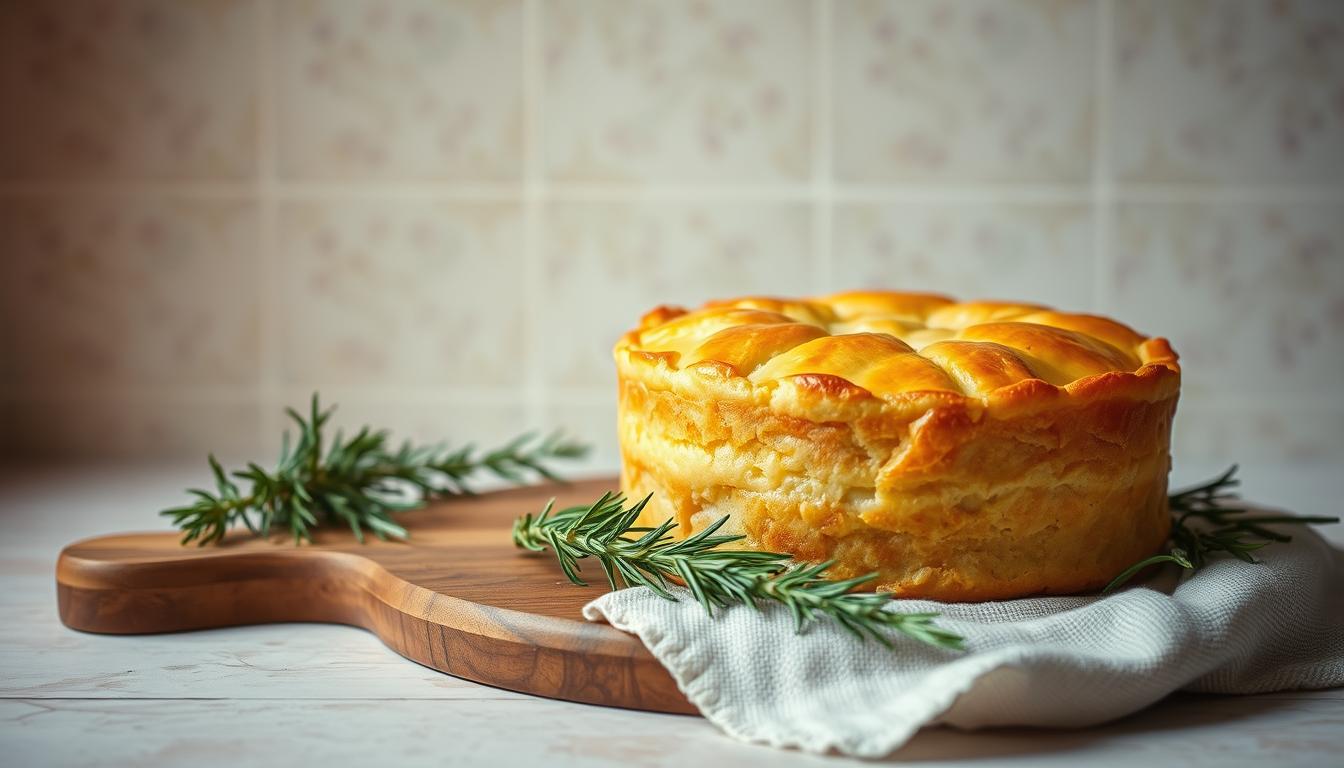
Enjoy Torta di Formaggio, a Traditional Easter Cheese Pie
As Easter gets closer, many Italian families eagerly await traditional desserts. Torta di Formaggio is a favorite, known for its rich and creamy taste. It’s a key part of Italian cuisine and a joy to eat.
So, what makes Torta di Formaggio so special? How can you add it to your Easter celebrations? We’ll dive into its importance and share tips on making and enjoying it.
Key Takeaways
- Discover the rich history behind Torta di Formaggio
- Learn the traditional recipe for this Italian Easter dessert
- Understand the cultural significance of this dessert in Italian Easter celebrations
- Explore variations and tips for making Torta di Formaggio at home
- Find out how to pair this dessert with other Easter treats
Introduction to Torta di Formaggio
In the heart of Italian tradition lies Torta di Formaggio, a cheese pie that embodies the spirit of Easter. This beloved dessert is a staple in Italian Easter celebrations, cherished for its rich flavors and cultural significance.
What is Torta di Formaggio?
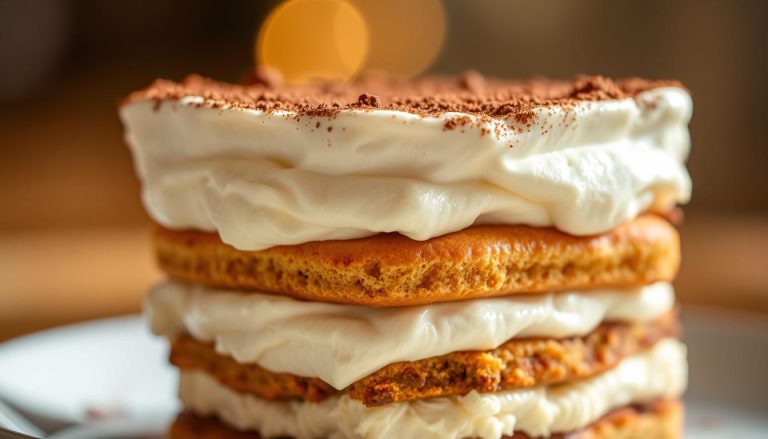
Torta di Formaggio is a traditional Italian cheese pie served during Easter. It’s made with cheeses, eggs, and sometimes cream, all baked in a pie crust. The result is a creamy, savory dessert that’s both satisfying and delicious.
Origin and History of the Cheese Pie
The origins of Torta di Formaggio are deeply rooted in Italian culinary history. This cheese pie has its roots in the medieval period, where it was served at special occasions and feasts. Over time, it became associated with Easter celebrations, symbolizing renewal and abundance.
The recipe has evolved over the centuries, with various regions in Italy adding their own twist to the traditional ingredients and preparation methods.
Significance of Torta di Formaggio at Easter
Torta di Formaggio holds a special place in Italian Easter traditions. It is often served as a centerpiece dessert during Easter gatherings, symbolizing the end of the Lenten fast and the joy of the resurrection. The pie’s rich flavors and creamy texture make it a delightful treat after the somber period of Lent.
The preparation of Torta di Formaggio is also a family affair, with recipes passed down through generations, making it a cherished part of Italian cultural heritage.
Ingredients Needed for Torta di Formaggio
Making a perfect Torta di Formaggio starts with the right ingredients. You’ll need cheeses, baking essentials, and more. The quality of your ingredients will affect the taste and texture of your homemade cheese pie.
Common Cheese Varieties Used
Torta di Formaggio often uses a mix of cheeses for a rich flavor. Ricotta, Parmesan, and Mozzarella are the most common. Ricotta makes it creamy, Parmesan adds a salty taste, and Mozzarella makes it melt well.

Some recipes also use Gorgonzola or Mascarpone for extra flavor. Gorgonzola adds a tangy taste, and Mascarpone makes it richer.
Essential Baking Ingredients
For Torta di Formaggio, you’ll need more than just cheese. Eggs, sugar, and a crust made from flour, butter, and sometimes almond meal are key. Eggs bind everything together, sugar balances the cheese flavors, and the crust is flaky and buttery.
| Ingredient | Quantity | Purpose |
|---|---|---|
| Ricotta Cheese | 1 1/2 cups | Creamy texture |
| Parmesan Cheese | 1/2 cup, grated | Salty, umami flavor |
| Mozzarella Cheese | 1 cup, shredded | Melty, creamy texture |
| Eggs | 4 large | Binding agent |
| Sugar | 1/4 cup | Balances savory flavors |
| Flour | 2 cups | Crust foundation |
| Butter | 1/2 cup, cold and cubed | Flaky, buttery crust |
Optional Flavor Additions
For a unique twist, add optional ingredients. Candied fruit or chocolate chips can add sweetness. Some recipes also use cinnamon or nutmeg for warmth.
Try different ingredients to make a Torta di Formaggio that you love. Whether you stick to traditional or add your own twist, the key is in the quality and balance of your ingredients.
Traditional Torta di Formaggio Recipe
The traditional Italian Easter dessert, Torta di Formaggio, is surprisingly easy to make. It’s a rich and creamy cheese pie loved in many Italian homes during Easter.

Step-by-Step Preparation
To begin, mix 1 1/2 cups of all-purpose flour and 1/2 cup of cold butter until it’s like coarse crumbs. Then, add 1/4 cup of ice water slowly, stirring with a fork until the dough forms.
For the filling, combine 1 1/2 cups of ricotta cheese, 1/2 cup of grated Parmesan cheese, and 2 large eggs in a bowl. Mix until it’s smooth and creamy. You can add vanilla extract or citrus zest for extra flavor.
- Roll out the dough to fit a 9-inch springform pan.
- Fill the crust with the cheese mixture and smooth the top.
- Bake in a preheated oven at 375°F (190°C).
Baking Instructions
Bake the Torta di Formaggio for 40-45 minutes. It’s done when the crust is golden and the filling is set. Rotate the pie halfway for even baking.
Cooling and Presentation Tips
Let the Torta di Formaggio cool completely on a wire rack. This step is key to prevent the filling from getting runny. Dust the top with powdered sugar before serving for a stunning look.
To make your Torta di Formaggio an authentic Easter dessert, serve it with fresh fruit or caramel sauce. This easy cheese pie recipe will wow your family and friends.
Variations of Torta di Formaggio
Torta di Formaggio shows its versatility through many variations. These range from sweet to savory, found across Italy. Over time, it has evolved, blending local tastes and ingredients.
Sweet vs. Savory Versions
There are two main types of Torta di Formaggio: sweet and savory. The sweet version uses ricotta, sugar, vanilla, and candied fruits. It’s perfect for Easter desserts.
The savory version, on the other hand, combines cheeses like Parmesan and Gorgonzola with herbs. It’s great for brunch or as a side dish.

Regional Variations Across Italy
Italy’s culinary diversity shines through Torta di Formaggio. Each region adds its own twist, using local cheeses and ingredients. For example, southern versions might include sun-dried tomatoes, while northern ones might have truffles.
| Region | Typical Ingredients | Characteristics |
|---|---|---|
| Northern Italy | Truffles, Gorgonzola | Savory, rich flavors |
| Southern Italy | Sun-dried tomatoes, olives | Mediterranean flavors |
| Central Italy | Pecorino, fresh herbs | Balanced, slightly salty |
Creative Twists for Modern Palates
Modern recipes of Torta di Formaggio offer creative twists. They might include spinach, mushrooms, or prosciutto. This adds depth and complexity.
These new versions keep the tradition alive. They also make Torta di Formaggio appealing to more people, ensuring its spot in modern Italian cuisine.
Serving Suggestions for Torta di Formaggio
Torta di Formaggio is more than a dessert; it’s an experience. It can be made even better with the right pairings and presentation. Whether it’s for Easter or just a treat, how you serve it matters.

Ideal Pairings with Wine
Choosing the right wine can make Torta di Formaggio even better. For a true Italian taste, try it with Moscato d’Asti or Pinot Grigio. Moscato’s sweetness pairs well with the cheese, while Pinot Grigio adds a crisp touch.
Complementary Side Dishes
For a complete meal, serve Torta di Formaggio with side dishes that complement it. A fresh green salad or roasted veggies can balance the pie’s richness. For a festive touch, add prosciutto-wrapped melon or grilled asparagus to your menu.
How to Garnish for Festive Occasions
To add a festive flair, garnish Torta di Formaggio with fresh herbs like rosemary or thyme. For Easter, use edible flowers or colored eggs to brighten up the pie. A simple yet elegant option is to sprinkle powdered sugar on top, adding sweetness and beauty.
Tips for Perfecting Your Torta di Formaggio
Making a perfect Torta di Formaggio is all about the details. It’s about finding the right mix of texture and taste. Experienced bakers know the best practices to get it just right.

Common Mistakes to Avoid
One big mistake is overmixing the batter. This makes the pie dense. Instead, mix the ingredients gently until they just come together. Also, don’t skip pre-baking the crust. A lightly browned crust is key to avoiding a soggy bottom.
- Overmixing the batter
- Not pre-baking the crust
- Insufficient cooling before serving
Best Practices for Texture and Flavor
For the best texture and taste, choose top-notch ingredients. Use a mix of cheeses for depth of flavor. Make sure your eggs are room temperature for a smooth filling. Baking in a water bath helps even cooking and prevents cracks.
Try different cheese mixes to boost the flavor. A tangy goat cheese or sharp Parmesan can add a nice balance to the pie.
Storage Tips for Leftovers
Leftover Torta di Formaggio can be stored in the fridge for up to three days. Wrap it tightly in plastic or foil. Let it come to room temperature before serving for the best taste and texture. You can also reheat it in the oven, covered with foil to avoid over-browning.
By using these tips and best practices, you’ll make a Torta di Formaggio that will wow everyone.
Torta di Formaggio in Italian Culture
Italian culture is full of traditions, and Torta di Formaggio is a big part of Easter. This cheese pie is more than dessert; it’s a symbol of family, community, and sharing meals.

Traditional Easter Celebrations
In Italy, Easter is a time for renewal and celebration, with food at the center. Torta di Formaggio is a favorite dish at Easter, marking the end of Lent and the start of richer foods.
Making Torta di Formaggio is a family affair, with recipes passed down through generations. This tradition keeps culinary heritage alive and strengthens family bonds.
Family and Community Gatherings
Torta di Formaggio is a hit at family gatherings and community events during Easter. It brings people together, creating a sense of community and joy.
- Family members often gather to prepare the pie together, sharing stories and laughter.
- Community events feature Torta di Formaggio as a centerpiece, highlighting local culinary traditions.
- The pie is also exchanged as a gift among friends and family, symbolizing goodwill and affection.
The Role of Food in Italian Heritage
Food is a cornerstone of Italian heritage, and Torta di Formaggio is a perfect example. The dish is not just a meal; it’s a way to show love, tradition, and community.
| Aspect | Significance |
|---|---|
| Family Traditions | Preserves cultural heritage and strengthens family bonds. |
| Community Events | Fosters a sense of community and shared joy. |
| Culinary Heritage | Showcases local ingredients and traditional cooking methods. |
Torta di Formaggio is more than a traditional Easter cheese pie; it’s a symbol of Italian culture and cherished values during Easter.
Nutritional Information
Knowing the nutritional facts of Torta di Formaggio is key for those who love it but want to stay on track with their diet. This cheese pie is rich and creamy, packed with calories, proteins, fats, and more. It’s a treat that’s worth understanding.
Caloric Content of Torta di Formaggio
The calories in Torta di Formaggio depend on the recipe and ingredients. A slice can have between 300 to 500 calories. This is because of the cheese and the butter and egg crust. It’s important to watch portion sizes to keep calorie intake in check.
Healthier Ingredient Swaps
To make Torta di Formaggio healthier, you can swap some ingredients. Try using part-skim ricotta or reduced-fat mozzarella to cut down on calories and fat. Also, switch the butter crust to a whole-grain or almond flour crust for more fiber and less saturated fat. Try adding herbs and spices to boost flavor without extra salt or sugar.
Balancing Indulgence with Nutrition
To enjoy Torta di Formaggio without overdoing it, be mindful of serving sizes and your overall diet. Pair it with veggies, lean proteins, and whole grains for a balanced meal. Adding exercise to your routine can also help balance out the calories from desserts like Torta di Formaggio.
With some knowledge and a few tweaks, you can savor Torta di Formaggio while keeping your diet in check. This way, you can enjoy traditional treats with a healthier twist.
Exploring Cheese Pairings
Adding the right cheese pairings and accompaniments can make Torta di Formaggio special. The perfect mix can boost flavors and textures. It turns the dessert into a memorable treat for any event.

Best Cheeses for Torta di Formaggio
Choosing the right cheeses is key for a rich Torta di Formaggio. Here are some top picks:
- Parmigiano-Reggiano: Adds a salty, umami flavor.
- Gorgonzola: Provides a creamy, tangy contrast.
- Mozzarella: Contributes to a smooth texture.
Wine Pairing Recommendations
Choosing the right wine can make Torta di Formaggio even better. Here are some wine pairing suggestions:
| Wine Type | Description | Torta di Formaggio Style |
|---|---|---|
| Moscato | Sweet, fruity | Sweet versions |
| Pinot Grigio | Crisp, refreshing | Savory versions |
| Chianti | Bold, full-bodied | Rich, savory versions |
Serving with Fresh Ingredients
Adding fresh ingredients can brighten and deepen Torta di Formaggio. Try it with:
- Fresh fruit, like figs or grapes.
- Herbs such as basil or rosemary.
- A drizzle of honey for sweetness.
Pairing Torta di Formaggio with various cheeses, wines, and fresh ingredients makes it a standout dessert.
Celebrating Easter with Torta di Formaggio
In Italy, Torta di Formaggio is more than a dessert. It’s a cherished Easter tradition that brings families closer. As families gather, Torta di Formaggio is at the heart of the celebration, symbolizing joy and togetherness.

Gathering Traditions and Customs
Easter in Italy is filled with traditions, and Torta di Formaggio is a big part of them. Families come together to make the dessert, sharing stories and laughter. This shared effort strengthens family bonds and keeps traditions alive.
Roles of Family Recipes
Family recipes are key in making Torta di Formaggio. These recipes, often passed down through generations, are a source of pride. They keep the dessert authentic while allowing for personal touches.
Making Torta di Formaggio a Family Affair
Getting the whole family involved in making Torta di Formaggio makes it special. From the youngest helping with simple tasks to the more experienced cooks leading, everyone plays a part. This teamwork creates a sense of community and makes Easter celebrations more meaningful.
| Family Member | Role in Preparation | Tradition |
|---|---|---|
| Grandmother | Recipe Keeper | Passes down the traditional recipe |
| Children | Helpers | Assist with mixing and simple tasks |
| Parents | Main Preparers | Oversee the preparation and baking |
By making Torta di Formaggio a family affair, Italian families create lasting memories. The dessert becomes a symbol of love, tradition, and the joy of coming together.
How to Enjoy Leftover Torta di Formaggio
Don’t let leftover Torta di Formaggio go to waste. There are many ways to enjoy it, from reheating to freezing. You can make the most of this tasty cheese pie long after the first time you eat it.
Delicious Ways to Reheat
To reheat Torta di Formaggio, follow these easy steps. Preheat your oven to 350°F (175°C). Then, cover the pie with foil to stop it from getting too dark. Heat it for 15-20 minutes, or until it’s warm. You can also microwave individual slices for a fast snack.

Creative Recipes Using Leftovers
Turn leftover Torta di Formaggio into something new. Crush it over a salad for a cheesy topping. Or, use it in savory crepes. You can also chop it up for a tasty breakfast in a frittata or quiche.
Freezing for Future Enjoyment
Freezing is a great option if you can’t eat the leftovers right away. Wrap slices or the whole pie in plastic or foil. Then, store it in the freezer. When you’re ready, thaw and reheat to enjoy it again.
With these tips, you can fully enjoy your Torta di Formaggio. Reduce waste and enjoy the delicious taste of this Italian dessert.
Conclusion: The Joy of Torta di Formaggio
Torta di Formaggio is more than a traditional Italian Easter cheese pie. It’s a symbol of family, love, and celebration. This delightful dessert has a rich history and significance in Italian culture.
Recap of the Tradition
The tradition of Torta di Formaggio is deeply rooted in Italian heritage, during Easter celebrations. It’s a time for families to come together and share in the joy of delicious food.
Try Making It
Now that you’ve learned about the significance and recipe of Torta di Formaggio, it’s time to try making it yourself. Experiment with different cheese varieties and flavor additions to make it your own.
Celebrating with Torta di Formaggio
In conclusion, Torta di Formaggio is a dessert that brings people together. Whether you’re celebrating Easter or simply looking for a delicious treat, this cheese pie is sure to impress. As you share it with loved ones, you’ll be creating memories that will last a lifetime. These final thoughts on Torta di Formaggio highlight its importance in Italian culture and its potential to become a staple in your own family’s traditions.