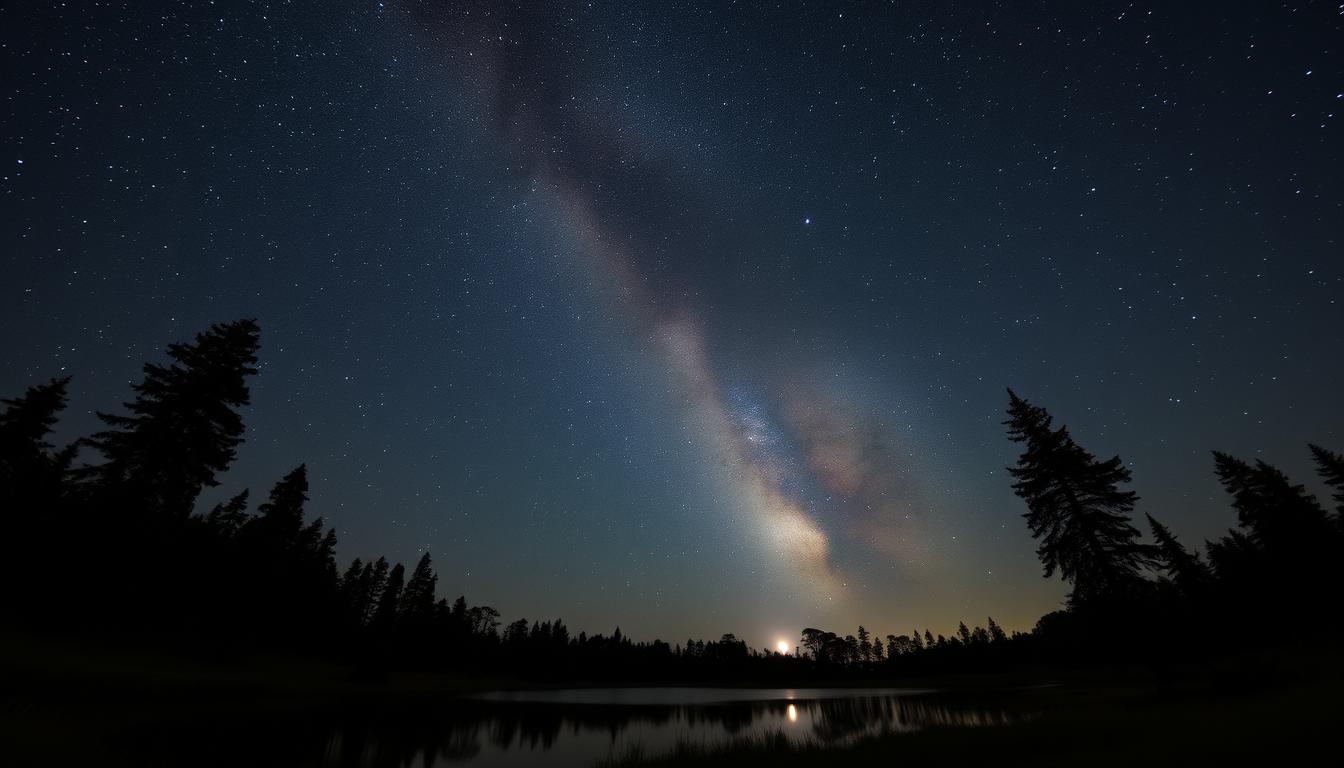
Stargaze without City Lights: Night Sky Observation
Have you ever gazed up at the night sky and felt a deep sense of wonder?
The glow of city lights often hinders our ability to fully appreciate the beauty of the stars. Stargazing in areas with minimal light pollution can reveal a universe full of stars, planets, and celestial wonders.
Exploring dark locations can significantly enhance your astronomical viewing experience. In this article, we will guide you through the best practices for an unforgettable stargazing experience.
Key Takeaways
- Best locations for stargazing with minimal city lights interference
- Tips for optimizing your stargazing experience
- Understanding the impact of light pollution on astronomical viewing
- Recommended practices for stargazing in dark locations
- Enhancing your stargazing experience with the right equipment
Understanding Night Sky Observation
To truly appreciate the night sky, one must understand Night Sky Observation. It’s more than just looking at stars. It’s about experiencing the night sky in its natural state.
What is Night Sky Observation?
Night Sky Observation means looking at the night sky without artificial light. This lets us see celestial objects more clearly. It helps us appreciate the beauty of stars, planets, and other celestial bodies.
Key aspects of Night Sky Observation include:
- Observing celestial objects in their natural state
- Minimizing the impact of artificial lighting
- Enhancing the overall stargazing experience
Importance of Minimizing Light Pollution
Reducing light pollution is key to preserving the night sky’s natural darkness. Artificial light can scatter, making it hard to see celestial objects. By cutting down on light pollution, we improve our stargazing and help keep the night sky natural.
The effects of light pollution are significant, as shown in the table below:
| Effect of Light Pollution | Description | Impact on Stargazing |
|---|---|---|
| Reduced Visibility | Artificial light scatters into the atmosphere, obscuring celestial objects. | Makes it harder to see stars and planets. |
| Increased Sky Glow | Urban areas emit light that brightens the night sky. | Reduces the contrast between stars and the sky. |
| Disruption of Ecosystems | Excessive light can affect nocturnal wildlife and their habitats. | Impacts the natural balance and biodiversity. |
By understanding Night Sky Observation and reducing light pollution, we can better enjoy stargazing. We also help preserve the natural night sky.
Why City Lights Interfere with Stargazing
City lights often ruin stargazing by causing light pollution. This makes it hard to see stars, planets, and other celestial bodies. The bright glow of cities hides the beauty of the night sky.

The Effects of Light Pollution
Light pollution has many bad effects on stargazing. It makes it hard to see stars and other celestial objects. It also harms the natural habitats of animals that are active at night.
- Reduced visibility of stars and celestial objects
- Disruption of natural animal behaviors
- Impact on astronomical research and education
Light pollution is a big problem, not just for scientists. It also bothers people who just want to enjoy the night sky. By understanding its effects, we can try to lessen it.
Types of Artificial Light Impacting Stargazing
Many types of artificial light cause light pollution, including:
- High-Intensity Discharge (HID) lamps, often used in streetlights
- Light Emitting Diodes (LEDs), becoming more common in homes and businesses
- Halogen lamps, used in both outdoor and indoor lighting
Each light source emits light in different ways, adding to the light pollution. Knowing about these sources helps us find ways to reduce their impact on stargazing.
Finding the Best Stargazing Locations
The key to a great stargazing experience is finding the best observing locations. These places have little light pollution. They offer clear views of the night sky, perfect for both beginners and experts.
National parks and local dark sky parks are top spots for stargazers. They have very dark skies. This makes them ideal for seeing celestial wonders.
National Parks Ideal for Stargazing
The United States has many national parks known for their dark skies. Some of the best include:
- Big Bend National Park in Texas, known for its remote location and lack of artificial lighting.
- Death Valley National Park in California, offering incredibly dark skies.
- Glacier National Park in Montana, with its pristine dark skies.
| National Park | Location | Dark Sky Quality |
|---|---|---|
| Big Bend National Park | Texas | Exceptional |
| Death Valley National Park | California | Exceptional |
| Glacier National Park | Montana | Excellent |
Local Dark Sky Parks in the U.S.
There are also local dark sky parks in the U.S. that are great for stargazing. These parks are recognized by the International Dark-Sky Association (IDA) for their efforts to keep skies dark.
Some notable dark sky parks include:
- Natural Bridges National Monument in Utah, the first International Dark Sky Park.
- Cherry Springs State Park in Pennsylvania, known for having some of the darkest skies on the East Coast.

These places offer amazing stargazing opportunities. They also share stargazing tips and teach about the importance of dark skies.
Essential Equipment for Stargazing
The right tools are crucial for exploring the night sky. For beginners, it can seem overwhelming. But, with some guidance, you can start to see the universe clearly.
Binoculars vs. Telescopes
Binoculars and telescopes are the most popular tools for stargazing. Each has its own benefits and is best for different things.
Binoculars are perfect for beginners. They’re easy to carry and use. They’re great for seeing big things like the Moon and star clusters.
Telescopes offer more zoom and are better for seeing far-off things like planets and galaxies. There are many types, like reflector and refractor, each with its own perks.
| Feature | Binoculars | Telescopes |
|---|---|---|
| Portability | High | Variable |
| Magnification | Low to Medium | Medium to High |
| Ease of Use | Easy | Moderate to Complex |
| Cost | Low to Medium | Medium to High |
Apps for Star Mapping and Identification
Smartphone apps have changed stargazing. Apps like Sky Map and Star Walk use your phone’s GPS and compass. They help you find stars and constellations easily.

These apps also give info on planets, meteor showers, and more. They’re great for both new and seasoned stargazers.
Using the right tools (binoculars or telescopes) with the right apps can make stargazing even better.
Planning Your Stargazing Trip
A successful stargazing adventure starts with picking the right time and clear skies. Whether you’re an expert or just starting, good planning makes your stargazing better.

Best Time of Year for Stargazing
The best time for stargazing changes based on where you are and what you want to see. Generally, the best nights are clear and dark, away from city lights. In the U.S., fall and winter are usually the clearest, perfect for stargazing.
- Fall Season: Offers nice temperatures and clear skies, great for seeing the Milky Way.
- Winter Season: Has some of the darkest skies, perfect for distant galaxies and nebulae.
How to Check Weather Conditions
It’s key to check the weather for a great stargazing trip. Here are some stargazing tips for weather checks:
- Use apps like Dark Sky or Weather Underground for exact, minute-by-minute forecasts.
- Look at astronomical weather forecasts for cloud cover and seeing conditions.
- Watch satellite images to see cloud cover and rain.
By using these methods, you can get clear skies viewing and enjoy your stargazing trip. Planning and knowing the weather helps you find the best observing locations for a memorable night.
Tips for an Unforgettable Stargazing Experience
Getting the right setup can make your stargazing trip unforgettable. To enjoy the stars fully, set up your spot well and think about comfort and safety.
Setting Up Your Stargazing Spot
Finding the perfect spot is key. Look for a Dark Sky area away from city lights to avoid light pollution. National parks and dark-sky preserves are great choices.
After picking your spot, think about the layout. Make sure you can see the sky clearly and the area is comfy. Use a star chart or app to find constellations and plan your night.
| Location Type | Characteristics | Best For |
|---|---|---|
| National Parks | Minimal light pollution, varied landscapes | Those seeking a natural, immersive experience |
| Dark Sky Preserves | Strictly controlled lighting, optimal viewing conditions | Serious stargazers and researchers |
| Remote Areas | Complete darkness, often with unique sky views | Adventurers and those seeking solitude |
Preparing for Comfort and Safety
Being comfy and safe is important for a good time. Wear warm clothes, as it gets cold at night. Bring comfortable seating or a blanket to make it better.
Don’t forget about safety. Tell someone where you’re going and when you’ll be back. Carry a first-aid kit and a flashlight with red light to keep your night vision.

By choosing the right spot and preparing for comfort and safety, you’ll have a memorable Night Sky Observation experience. These Stargazing Tips are great for both new and experienced stargazers.
Identifying Key Celestial Events
Exploring the night sky can be thrilling. You’ll find meteor showers and planetary conjunctions. These events let you see the universe in a new light.
Meteor Showers You Don’t Want to Miss
Meteor showers are truly amazing. They happen when Earth goes through comet or asteroid debris. You can see shooting stars without any special equipment.
- Perseid Meteor Shower: This shower peaks in August. It’s famous for its bright and many meteors.
- Geminid Meteor Shower: In December, the Geminid shower is a top choice. It offers lots of meteors.
- Orionid Meteor Shower: In October, Orionid showers come from Halley’s Comet. They are fast and beautiful.

Understanding Planetary Conjunctions
Planetary conjunctions happen when planets seem close in the sky. They are beautiful and let you see planets together.
Some key conjunctions include:
- Jupiter and Saturn Conjunction: This is when Jupiter and Saturn look very close. It’s called a “Great Conjunction.”
- Mars and Venus Conjunction: Mars and Venus appear together, often near the horizon. It’s a stunning sight.
To enjoy these events, check the astronomy forecasts. Plan your stargazing. With some knowledge, you’ll love the night sky even more.
DIY Light Pollution Mitigation Techniques
DIY methods can greatly reduce light pollution, making your stargazing better. A few simple steps can help you see the night sky more clearly.

Creating Your Own Dark Space
To cut down on light pollution, find the darkest spots in your home or yard. Use curtains or shades to block indoor lights. Also, change your outdoor lights to reduce glare.
- Use blackout curtains or shades to block indoor light.
- Adjust outdoor lighting fixtures to minimize upward light.
- Plant trees or install screens to block neighboring light sources.
Techniques for Shielding Your Eyes from Light
After making your space darker, protect your eyes from any light left. Simple steps can help your eyes get used to the dark.
- Allow your eyes to adjust to the dark for at least 20 minutes.
- Use a red light flashlight, as red light preserves night vision.
- Avoid looking at bright screens or lights before stargazing.
By using these stargazing tips and DIY methods, you can see the night sky better. This is true even in areas with a lot of light pollution.
Stargazing Etiquette
A dark sky is a natural wonder we all share. It needs our care. Good stargazing etiquette helps keep the environment safe and makes stargazing fun for everyone.
Respecting Nature While Stargazing
When you go stargazing, respect the nature around you. Stay on trails, don’t litter, and don’t harm wildlife. This way, we protect the night sky for others to enjoy in the future.
Tips for Respecting Nature:
- Stay on designated trails to avoid erosion and damage to habitats.
- Keep the area clean by disposing of waste properly.
- Avoid using white lights, as they can disrupt the darkness and attract insects.

Keeping Noise Levels Down
Noise can ruin the stargazing experience. It’s important to keep quiet. This way, everyone can enjoy the night sky without distractions.
Benefits of a Quiet Environment:
| Benefit | Description |
|---|---|
| Improved Focus | A quiet environment helps stargazers focus on the night sky without distractions. |
| Enhanced Experience | Lower noise levels contribute to a more immersive and enjoyable stargazing experience. |
| Respect for Others | Keeping noise down shows respect for fellow stargazers and the natural environment. |
By following these stargazing etiquette tips, we make sure our night sky adventures are fun and sustainable.
Educational Resources for Stargazers
Looking to learn more about the night sky? There are many educational resources out there. Whether you’re new to stargazing or have been at it for years, these resources can help. They’ll deepen your understanding of astronomy and make your stargazing better.
Recommended Books on Astronomy
Books on astronomy are a great way to learn. Here are some top picks:
- The Backyard Astronomer’s Guide by Terence Dickinson and Alan Dyer – A must-have for amateur astronomers.
- Astronomy: The Cosmic Perspective by Jeffrey Bennett et al. – A detailed textbook covering many astronomy topics.
- NightWatch: A Practical Guide to Viewing the Universe by Terence Dickinson – A guide for stargazers, covering telescopes and more.
Online Courses for Beginners
Online courses are also a fantastic way to learn. Here are some beginner-friendly options:
- Astronomy for Beginners on Coursera – An intro course on astronomy basics.
- Introduction to Astronomy on edX – A course that covers astronomy fundamentals.
- Stargazing: Astronomy for Beginners on Udemy – A course for beginners, covering stargazing and astronomy basics.
Using these educational resources can help you appreciate the night sky more. Whether through books or online courses, there’s something for everyone. No matter your level of interest or expertise.

Joining Stargazing Communities
Connecting with others who love stargazing can make your experience even better. Joining local astronomy clubs or attending stargazing events is a great way to do this. You can share your love for the night sky and learn from others.
Local Astronomy Clubs
Finding a local astronomy club is a fantastic way to meet people who love stargazing. These clubs often have viewing nights at the best spots. You can search online or visit local science centers to find clubs near you.
Stargazing Events and Meetups
Going to stargazing events and meetups is another great way to meet others. These events can be viewing parties or educational seminars. They offer a chance to stargaze together and learn about new discoveries.
By joining these communities, you can learn more, gain new insights, and enjoy the night sky with others who share your passion.