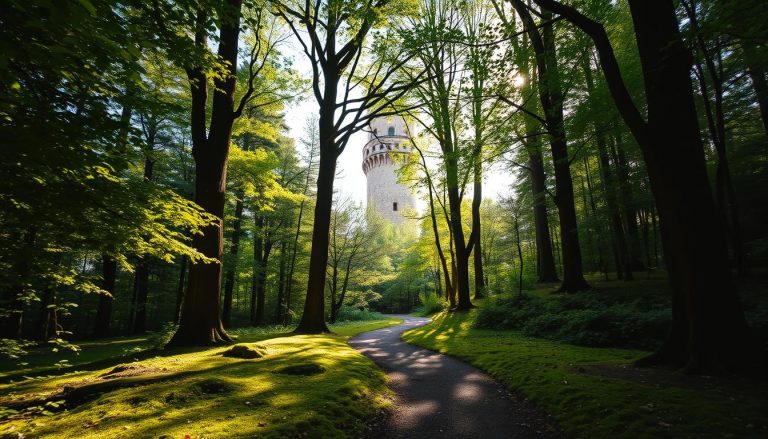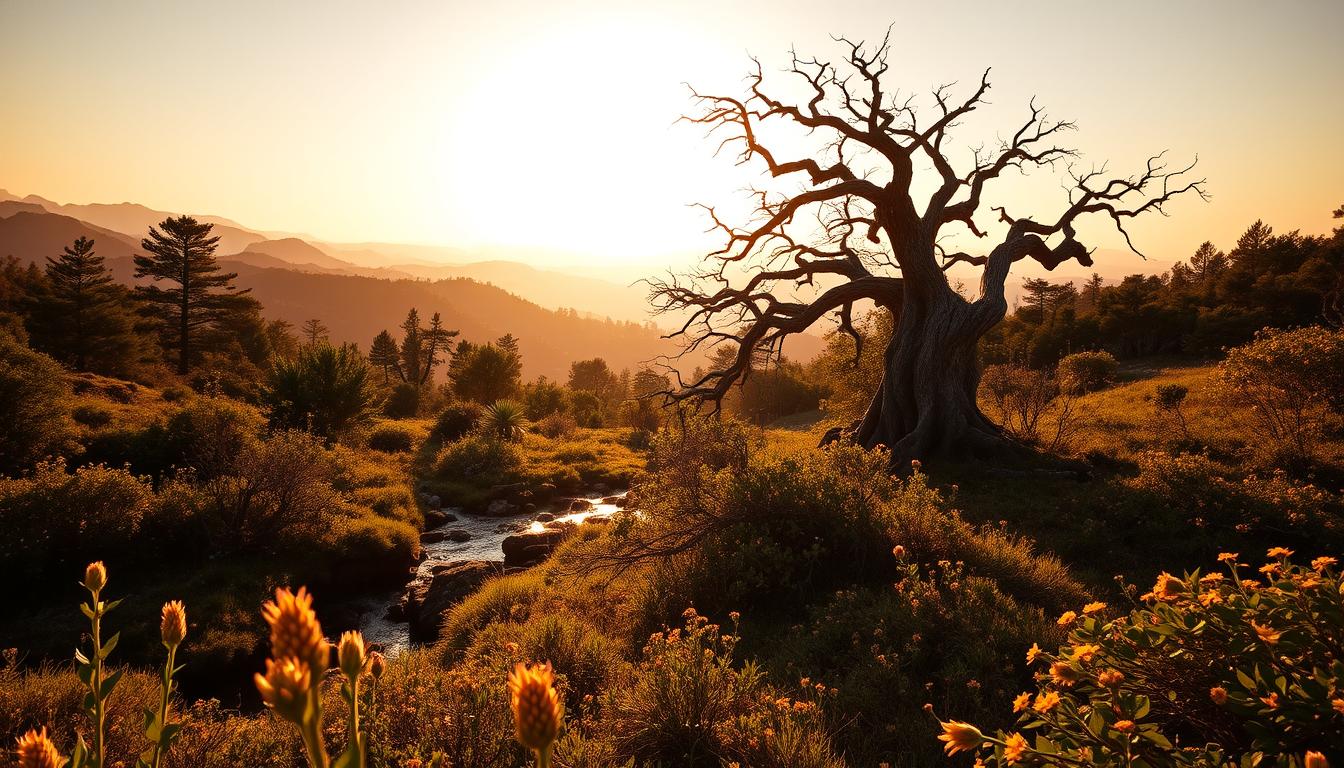
Nature Sketching: Draw or Paint Beautiful Sceneries
Have you ever stopped to appreciate a serene landscape or a sunset’s vibrant colors? Capturing these moments through art can be a therapeutic and creative outlet. Nature Sketching is a unique way to connect with nature and express your artistic side.
Exploring the world of Nature Sketching can be rewarding. From choosing the right tools to mastering techniques, it brings your scenic artwork to life. Whether you’re an experienced artist or just starting, this guide aims to inspire and inform your journey into nature art.
Key Takeaways
- Discover the essential tools for Nature Sketching
- Learn techniques to enhance your scenic artwork
- Explore the therapeutic benefits of connecting with nature through art
- Find inspiration for your Nature Sketching journey
- Understand the basics of creating stunning nature art
Introduction to Nature Sketching
Starting nature sketching as a hobby can make your life more creative and help you appreciate nature more. It lets you connect with nature closely, bringing calm and happiness.
Nature sketching uses many sketching techniques to capture nature’s essence. Whether you’re in a quiet forest or near a peaceful lake, sketching improves your observation skills. It also deepens your connection with nature.
What is Nature Sketching?
Nature sketching is about making drawings or paintings of natural scenes. It includes outdoor painting and landscape drawing. Artists can show the beauty and detail of nature. It also helps them appreciate the environment more.
Trying nature sketching lets you explore various techniques and mediums. You can use pencils, charcoal, watercolors, or pastels. Each one offers a special way to show nature.
Why You Should Try Nature Sketching
Nature sketching is good for your mind and soul. It lets you take a break from digital screens and connect with nature. Watching and drawing natural scenes can be calming, reducing stress and improving focus.
It also boosts your landscape drawing skills, helping you see and draw nature better. Whether you’re experienced or new, nature sketching is a fun and rewarding hobby.
Essential Tools for Nature Sketching
Starting a nature sketching journey means you need the right tools. These tools help you capture the outdoors’ beauty. With the right materials, you can turn your observations into art.
Sketching Materials You Need
To begin with nature sketching, you’ll need some key materials. You’ll need a sketchbook or sketching pad, and different pencils (soft to hard). You’ll also need charcoal for detailed sketches and paints and brushes for watercolor or acrylic.
- A durable sketchbook for outdoor use
- Graphite pencils (HB, 2B, 4B, 6B)
- An eraser and sharpener
- Charcoal and a blending stump
- Watercolor or acrylic paints
- Brushes in various sizes
Choosing the Right Paper Types
The paper you choose is crucial for your sketching. For pencil and charcoal, smooth paper is best. For paint, you need watercolor paper. Look for “mixed media” paper for flexibility.
| Paper Type | Best For | Characteristics |
|---|---|---|
| Smooth Paper | Pencil, Charcoal | Fine details, smooth shading |
| Watercolor Paper | Watercolor Paints | Thick, absorbent, durable |
| Mixed Media Paper | Multiple Techniques | Versatile, can handle various media |
Best Paints and Brushes for Nature Art
Watercolor paints are great for nature sketching because they’re portable and create beautiful effects. For watercolor, use natural hair brushes. They hold a lot of water and pigment, making subtle blends and textures possible.

Choosing the right tools and materials can make your nature sketching better. You’ll create artwork that truly shows the beauty of nature.
Finding Inspiration in Your Environment
Your surroundings are full of ideas for landscape drawing and nature art. Whether you live in a busy city or a peaceful countryside, there’s always something new to draw.

Exploring Local Parks and Outdoors
Exploring local parks and outdoor spaces is a great way to find inspiration. These places have different landscapes, like greenery and flowers, giving you lots of chances to practice your nature sketching skills.
Walk through a park or nature reserve and look at the landscape. See the shapes, colors, and textures around you. You can draw a single flower or a big view.
Capturing Seasonal Changes
The changing seasons are a great subject for your nature art. Spring brings flowers, and winter brings snow.
By drawing these changes, you can show how time passes. It’s a way to improve your skills and record the natural world’s cycles.
Urban vs. Rural Landscapes
Urban and rural landscapes both inspire landscape drawing. Cities have buildings, streets, and green areas. Rural areas have natural beauty and peace.
Looking at these different places can lead to new ideas for your art. You might see patterns in city streets or natural shapes in rural areas.
Techniques for Effective Nature Sketching
The art of nature sketching is all about mastering observation and light and shadow. To make great nature sketches, you need to know how to observe and use technical skills.
Observational Techniques for Beginners
For beginners, learning to observe is key. Start by paying attention to details in nature, like leaf shapes, flower colors, and tree bark textures. Practice drawing these details on paper.
Try quick sketching exercises too. Set a timer for a few minutes and draw what you see. This helps you capture scenes fast.

Adding Depth and Perspective
To add depth to your sketches, learn about linear perspective. It helps create a sense of depth by using a vanishing point on the horizon line.
Atmospheric perspective is also useful. It makes distant objects fade and less detailed, showing depth. This is great for wide natural scenes.
Using Light and Shadow in Your Drawings
Light and shadow are key for realistic sketches. Notice how light affects your subject and creates shadows. Use varying shades of pencil or paint to show light and shadow contrast.
Knowing the light direction and quality helps too. Soft, diffused light creates gentle shadows, while harsh, direct light makes strong contrasts.
The Joy of Watercolor Painting
Watercolor painting is loved by many nature artists. It captures the soft, ethereal qualities of nature. Artists can create delicate, dreamy landscapes that bring serenity and wonder.

Why Watercolors are Ideal for Nature
Watercolors are perfect for nature art because they are fluid and transparent. These traits help artists make subtle color changes and soft blends. The translucent quality of watercolors adds depth and luminosity to scenic artwork. This makes it great for showing the play of light on water, foliage, and sky.
Tips for Blending and Layering Colors
Blending and layering colors are key in watercolor painting. Artists can use wet-on-wet techniques or layer transparent washes for smooth transitions. Experimenting with different brushstrokes and color combinations can help artists develop their unique style. For nature art, starting with the background and building up layers is often effective.
- Begin with light washes to establish the base colors of your scene.
- Gradually build up layers, allowing each layer to dry before adding the next.
- Use wet-on-wet techniques to blend colors and create soft edges.
Creating Texture in Watercolor Landscapes
Watercolor can also create texture in landscapes. Techniques like drybrushing, scraping, and using textured paper can add interesting effects. Incorporating texture can enhance the tactile quality of your nature art, making it more engaging for the viewer. For example, drybrushing can suggest the roughness of tree bark or the softness of foliage.
By mastering blending, layering, and texturing, artists can unlock the full potential of watercolor painting. This way, they can create captivating nature art and scenic artwork.
Charcoal and Pencil Sketching Tips
Artists can use charcoal and pencils to capture nature’s essence. These mediums are great for bold and detailed drawings. They’re perfect for sketching nature.
Charcoal is great for dramatic, high-contrast sketches. It can make a wide range of values, from deep blacks to soft grays.
Using Charcoal for Bold Effects
To get bold effects with charcoal, pick a high-quality one that fits your style. Vine charcoal is good for expressive sketches, while compressed charcoal is better for detailed work.
- Use the side of the charcoal for broad strokes and shading large areas.
- Apply gentle pressure for lighter shades and increase pressure for darker tones.
- Experiment with blending techniques using your fingers or a blending stump.

Pencil Techniques for Detailed Drawings
Pencils are versatile for detailed nature sketches. By using different pencil grades (HB, 2B, 4B, 6B), you can get a range of tonal values.
- Start with a light sketch using an HB pencil to outline your composition.
- Gradually build up shading with softer pencils (2B, 4B) for deeper tones.
- Use a sharpener to maintain fine details and a kneaded eraser to correct mistakes.
Shading Techniques to Add Dimension
Shading is key for adding depth and dimension to your sketches. Techniques like hatching, cross-hatching, and stippling can create textures and effects.
| Technique | Description | Effect |
|---|---|---|
| Hatching | Parallel lines | Creates shading and texture |
| Cross-hatching | Layered hatching lines | Adds depth and dimension |
| Stippling | Small dots | Produces detailed, high-contrast images |
Mastering charcoal and pencil techniques can improve your nature sketching. You’ll create captivating artworks that show the beauty of nature.
Exploring Different Styles of Nature Art
Artists can show nature’s beauty in many ways. From realistic to abstract, each style offers a unique way to express nature. This variety makes nature sketching exciting, as artists can try new things.
Nature art covers a wide range of styles. You might like the detail of realism, the softness of impressionism, or the creativity of abstraction. Mixed media is also an option, allowing you to use different materials to show your connection to nature.
Realism vs. Impressionism in Nature Sketching
Realism in nature sketching means making things look exactly as they are. It needs a sharp eye and steady hand. Impressionism, on the other hand, aims to capture a scene’s feel. It uses soft lines to show movement or mood.
| Style | Characteristics | Techniques |
|---|---|---|
| Realism | Detailed, accurate | Precise drawing, attention to detail |
| Impressionism | Soft, blurred, captures atmosphere | Soft brushes, layering colors |
Abstract Approaches to Natural Landscapes
Abstract nature art doesn’t aim to look like real scenes. It uses natural elements to make unique pieces. This style lets artists show nature’s emotional side.
Tips for Abstract Nature Art:
- Try out different materials and textures.
- Focus on the scene’s feeling, not just what it looks like.
- Use color and shape to show emotions and energy.
Incorporating Mixed Media
Mixed media art mixes various materials, like paint and paper, to create rich works. In nature sketching, adding natural items like leaves can add depth.

Exploring different styles in nature sketching opens up new ways to express your feelings about nature. Whether you prefer realism, impressionism, abstraction, or mixed media, there’s always something new to discover.
The Role of Nature in Mental Well-being
Nature has a huge role in improving our mental health. Being in nature can make us feel better both physically and mentally.
Benefits of Being in Nature
Being outdoors can lower anxiety and depression. It also boosts our mood and brain function. Nature therapy is about spending time outside to feel better. Activities like walking or gardening can help a lot.

How Sketching Can Reduce Stress
Sketching and drawing can calm us down and reduce stress. Creating art helps us focus on the moment and forget our worries. Nature sketching combines being outside with the joy of making art.
Connecting with Nature Through Art
Art lets us connect with nature in a special way. It’s not just about making pictures of nature. It helps us appreciate and care for the environment more. Through nature art, we can feel more connected and mindful.
In summary, nature is key to our mental health. It offers many benefits, from direct experiences to creative activities. By spending time in nature, we can improve our mental health and overall well-being.
Showcasing Your Nature Art
After mastering nature sketching, it’s time to share your art. Showing your work can be rewarding. It lets you connect with people who love nature’s beauty.
Tips for Framing and Displaying Your Work
Framing and displaying your sketches right can make them look even better. Pick frames that match your artwork’s colors and style. For example, a wooden frame adds a rustic feel, while metal frames look modern.
- Choose a frame that complements the artwork
- Consider matting to add depth and contrast
- Use UV-protective glass to preserve the artwork
Social Media: Share Your Nature Sketches
Social media is a great way to share your sketches with more people. Post your work on Instagram, Facebook, and Pinterest. This way, you can connect with other artists and nature lovers.
- Post high-quality images of your sketches
- Use relevant hashtags to increase visibility
- Engage with your followers by responding to comments
Local Art Shows and Exhibition Opportunities
Joining local art shows and exhibitions is a fantastic way to show off your sketches. These events let you meet other artists, get feedback, and maybe even sell your work.
Tips for Local Art Shows:
- Research local art events and exhibitions
- Prepare a portfolio of your best work
- Be prepared to talk about your artistic process

Conclusion: Embrace Your Nature Sketching Journey
As you finish reading this guide, we hope you’re inspired to start or continue your Nature Sketching journey. This art form lets you capture the beauty of nature. It also offers a chance for personal growth and relaxation.
If you’re just starting, don’t worry if your first sketches aren’t perfect. The key to getting better is to keep practicing and be patient. Think about taking art education courses or online tutorials to improve your skills.
Pursuing Artistic Growth
For those who have been sketching for a while, keep growing by trying new things. You might want to explore watercolor or mixed media. Nature Sketching always has room for new ideas.
Sharing Your Creations
We suggest you share your Nature Sketching work with others. Join online groups or local art clubs to meet people who share your interests. This community engagement can help keep you motivated and inspired.
By embracing Nature Sketching, you’re not just making art. You’re joining a community that values creativity, nature, and support. So, grab your sketchbook, go outside, and start capturing the beauty around you.