Seasonal Festivals: Participate in celebrations linked to natural cycles
As the earth rotates, cultures worldwide celebrate the changing of the seasons with unique festivals and traditions.
Have you ever thought about the importance of these nature-inspired celebrations today? Do they just remind us of the past, or is there more to them?
Exploring seasonal festivals shows how they unite people, create a sense of community, and strengthen our bond with nature.
Key Takeaways
- Seasonal festivals are a big part of cultures everywhere.
- They offer a special chance to connect with nature and others.
- Nature-inspired celebrations help us feel a sense of belonging.
- These festivals often relate to natural events and cycles.
- They give us a moment to think about our relationship with the environment.
Introduction to Seasonal Festivals
As the earth rotates, cultures mark time with unique festivals tied to natural events. These celebrations, known as Natural Cycles Events, show our bond with nature and its cycles.
What Are Seasonal Festivals?
Seasonal festivals happen with natural events like solstices and harvests. They are Festive Season Rituals where people gather to celebrate the seasons. These events include music, dance, food, and rituals unique to the season and culture.
The Importance of Celebrating Nature’s Cycles
Celebrating nature’s cycles through festivals deepens our connection with the environment. It teaches us to appreciate nature and live sustainably. By observing these cycles, we learn to live in harmony with nature.
| Season | Common Celebrations | Significance |
|---|---|---|
| Spring | Easter, Spring Equinox | Renewal and Rebirth |
| Summer | Summer Solstice, Midsummer Night | Longest Day, Peak Sunshine |
| Autumn | Thanksgiving, Halloween | Harvest, Gratitude |
| Winter | Christmas, Winter Solstice | Comfort, Light in Darkness |
The table shows the variety of seasonal festivals throughout the year. It highlights their importance and common themes. By joining in these Festive Season Rituals, we feel a sense of community and connection to nature’s cycles.
Celebrations of Spring: Renewal and Rebirth
Spring’s arrival brings joy in the United States, with Easter and spring equinox festivals leading the way. As the weather gets warmer and days longer, people gather to celebrate renewal and rebirth.
Spring is filled with seasonal traditions, with Easter being a big holiday. Easter traditions in the U.S. vary, but common activities include Easter egg hunts, family gatherings, and special meals.
Easter Traditions Across the U.S.
Easter egg hunts symbolize new life and are loved by many. Communities hold large egg hunts in public spaces, creating a festive mood. Family gatherings are also key, with meals featuring ham, lamb, or spring veggies.
Decorating Easter eggs is another fun tradition. It’s not just for kids; it’s a way to share cultural heritage across generations.
Spring Equinox Festivals
The spring equinox, when day and night are equal, is celebrated with annual festivities. These events celebrate the return of longer days and warmer weather, symbolizing the earth’s rebirth.
Many cultures have unique spring equinox traditions. Some hold festivals with music, dance, and feasting. Others practice meditation or visit nature reserves.
These seasonal traditions unite communities and remind us of nature’s cycles. They highlight the importance of adapting to the changing seasons.
Summer Solstice: Longest Day of the Year
The summer solstice is the longest day of the year, filled with joy and a connection to nature. It’s when the sun shines brightest, lighting up the world with its warm glow. People all over celebrate with eco-friendly celebrations that show off their culture.

Celebrating Midsummer Night’s Festivals
Midsummer Night’s festivals are a big part of summer solstice celebrations. These events are all about nature-inspired celebrations. People do rituals and activities to honor the sun and earth.
In some European countries, dancing around bonfires is a tradition. It symbolizes the sun’s light and warmth. These festivals are more than just fun; they remind us of our bond with nature.
By using eco-friendly practices, like local decorations and less waste, these celebrations help the planet. They show us how to live sustainably.
Native American Summer Ceremonies
Native American communities celebrate the summer solstice in their own special ways. Their ceremonies are filled with spiritual traditions. They include rituals for a good harvest, prayers for the community, and dances for the land spirits.
These ceremonies focus on living in harmony with nature. They teach us to respect the environment and live sustainably. It’s about understanding our connection to all living things.
In conclusion, the summer solstice is a time for joy and reflection. It’s a chance to appreciate nature and our role in it. Through eco-friendly celebrations and nature-inspired traditions, we can celebrate this day and work towards a greener future.
Autumn Festivities: Harvest and Gratitude
As leaves turn colors, autumn festivities unite people. They celebrate the harvest season with joy and gratitude. This time is filled with traditions that show the value of community and reflection.

Thanksgiving: A Time for Family and Reflection
Thanksgiving is a key American holiday in autumn. It’s when families and friends come together for a big meal. They reflect on the year’s good things.
This tradition started with early settlers and Native Americans. They celebrated a good harvest together. Today, Thanksgiving is still about being thankful for the harvest and loved ones.
Many people travel to be with family and friends. It’s a chance to reconnect and share gratitude.
Halloween: Embracing the Change of Seasons
Halloween falls on October 31st, marking the end of autumn. It’s a time for fun and creativity, with people dressing up and going to parties. It’s rooted in ancient festivals where people lit bonfires and wore costumes.
Halloween has grown into a big cultural event. Communities hold parades, haunted houses, and other spooky activities. It’s a time of excitement and nostalgia as the seasons change.
Thanksgiving and Halloween are key to autumn’s festivities. They bring gratitude and transformation to the season. They show the richness and diversity of American seasonal celebrations.
Winter Wonders: Embracing Cold and Comfort
Winter is a time to get cozy and celebrate with loved ones. It’s filled with big events like Christmas and the Winter Solstice. People come together, enjoying the cold with warmth and joy through Annual Festivities and Seasonal Traditions.

Christmas Traditions: A Celebration of Love
Christmas is a big winter holiday, celebrated in many ways around the world. Homes are decorated with lights and ornaments, and gifts are exchanged. It’s a time for family and friends to be together.
Many families have special holiday recipes that are passed down. These recipes add to the festive feel of the season.
Some common Christmas traditions include:
- Decorating Christmas trees
- Singing carols
- Exchanging gifts
- Preparing special holiday meals
| Tradition | Description | Cultural Significance |
|---|---|---|
| Christmas Tree Decorating | Decorating a tree with ornaments and lights | Symbolizes life and hope during the cold winter months |
| Gift Giving | Exchanging gifts with family and friends | Represents love and generosity |
| Holiday Meals | Preparing special meals for the holiday | Brings families together and creates lasting memories |
Winter Solstice Celebrations
The Winter Solstice marks the shortest day of the year. It’s a time of renewal and hope. Communities around the world celebrate with rituals and festivities.
Some ways people celebrate the Winter Solstice include:
- Participating in solstice ceremonies
- Engaging in outdoor activities like bonfires or stargazing
- Reflecting on the past year and setting new year’s resolutions
In conclusion, winter is a season of coming together and celebrating. Whether it’s Christmas or the Winter Solstice, the cold is met with warmth and joy.
Regional Festivals That Embrace the Seasons
American culture is rich with vibrant regional festivals that celebrate nature’s cycles. These events unite communities and deepen our appreciation for nature and the seasons.
Unique Festivals in the Northeast
The Northeast is famous for its cultural heritage and natural beauty. It’s a key place for seasonal festivals. The Harvest Festival in Maine is a highlight, with local food, crafts, and music.
- The Wellfleet Oyster Festival in Massachusetts celebrates oysters with feasting and contests.
- The Winter Carnival in Stowe, Vermont, turns the town into a winter wonderland with snow sculptures and hot chocolate.

Celebrations of the South
The South is known for its warm welcome and rich traditions. Its festivals show off these qualities. The New Orleans Jazz & Heritage Festival is a big event in the spring, celebrating music, food, and culture.
- The Savannah Music Festival in Georgia offers a wide range of music against the city’s historic backdrop.
- The Texas Renaissance Festival is a themed event with costumed characters and traditional foods, celebrating Texas’s history.
These festivals not only show off their regions but also add to the country’s cultural diversity. They promote eco-friendly celebrations and a connection to nature.
The Role of Food in Seasonal Festivals
Food plays a big role in seasonal festivals, connecting tradition and community. It brings people together, often with seasonal ingredients and recipes passed down through generations.
Seasonal ingredients are key in festival food, offering fresh and tasty flavors. Spring festivals highlight greens and early fruits. Autumn festivals feature harvest produce like pumpkins and apples.
Seasonal Ingredients and Recipes
Using seasonal ingredients ensures the best flavors and supports local farmers. It also reduces carbon footprint from transporting produce. Recipes passed down through generations are a big part of Seasonal Traditions.
For example, summer solstice feasts might include grilled veggies and fruits. Winter solstice meals might have hearty stews and roasted root veggies. These Nature-inspired Celebrations are about connecting with nature and honoring the seasons.
| Season | Key Ingredients | Traditional Dishes |
|---|---|---|
| Spring | Fresh greens, strawberries, lemons | Spring salads, lemon bars |
| Summer | Corn, tomatoes, zucchini | Grilled vegetables, corn on the cob |
| Autumn | Pumpkins, apples, squashes | Pumpkin pie, apple cider donuts |
| Winter | Root vegetables, citrus fruits, nuts | Hearty stews, roasted vegetables |
Harvest Feasts and Their Significance
Harvest feasts are a big deal in Seasonal Traditions. They celebrate the land’s bounty and farmers’ hard work. These feasts are about community, with families and friends sharing in the harvest’s abundance.
Harvest feasts are special because they bring people together. They celebrate nature’s cycle and the food it gives us. Sitting down to enjoy these meals reminds us of gratitude and our connection to nature.

The Influence of Seasonal Festivals on Community
As the seasons change, communities come together to celebrate. This creates a sense of unity and belonging. Seasonal festivals are key in building community, offering many benefits.
Building Community Through Celebrations
Annual festivities give community members a chance to gather and share. They involve local traditions, music, and food. This creates a feeling of camaraderie and shared identity.
Community Engagement grows through seasonal festivals. Many communities offer volunteer chances during these events. This encourages people to participate and feel a sense of ownership.

Fostering Traditions Across Generations
Festive season rituals help pass down traditions to younger generations. By joining in these celebrations, kids and young adults learn about their cultural heritage. They also understand the importance of community.
| Tradition | Description | Generational Significance |
|---|---|---|
| Thanksgiving Dinner | A meal shared with family and friends to express gratitude. | Teaches the value of family and gratitude. |
| Halloween Costume Contest | A competitive event where participants dress up in creative costumes. | Fosters creativity and community interaction. |
| Christmas Carols | Singing traditional carols during the holiday season. | Preserves cultural heritage through music. |
In conclusion, seasonal festivals deeply impact community building and tradition preservation. By joining in these celebrations, communities can grow closer. They also ensure their cultural heritage continues.
Participatory Activities During Seasonal Festivals
Seasonal festivals are full of fun activities for everyone. They’re not just shows to watch; they’re chances to join in and make memories. People come together through various activities.
Crafts and DIY Projects for All Ages
Crafts and DIY projects are big at seasonal festivals. They let people of all ages show their creativity. It’s a way to add to the festive vibe.
- Decorating eggs for Easter or spring equinox celebrations
- Creating handmade ornaments for Christmas or winter solstice
- Making seasonal crafts, such as leaf rubbings or flower crowns, for autumn or spring festivals
These activities boost creativity. They also help families and friends connect through a shared project.

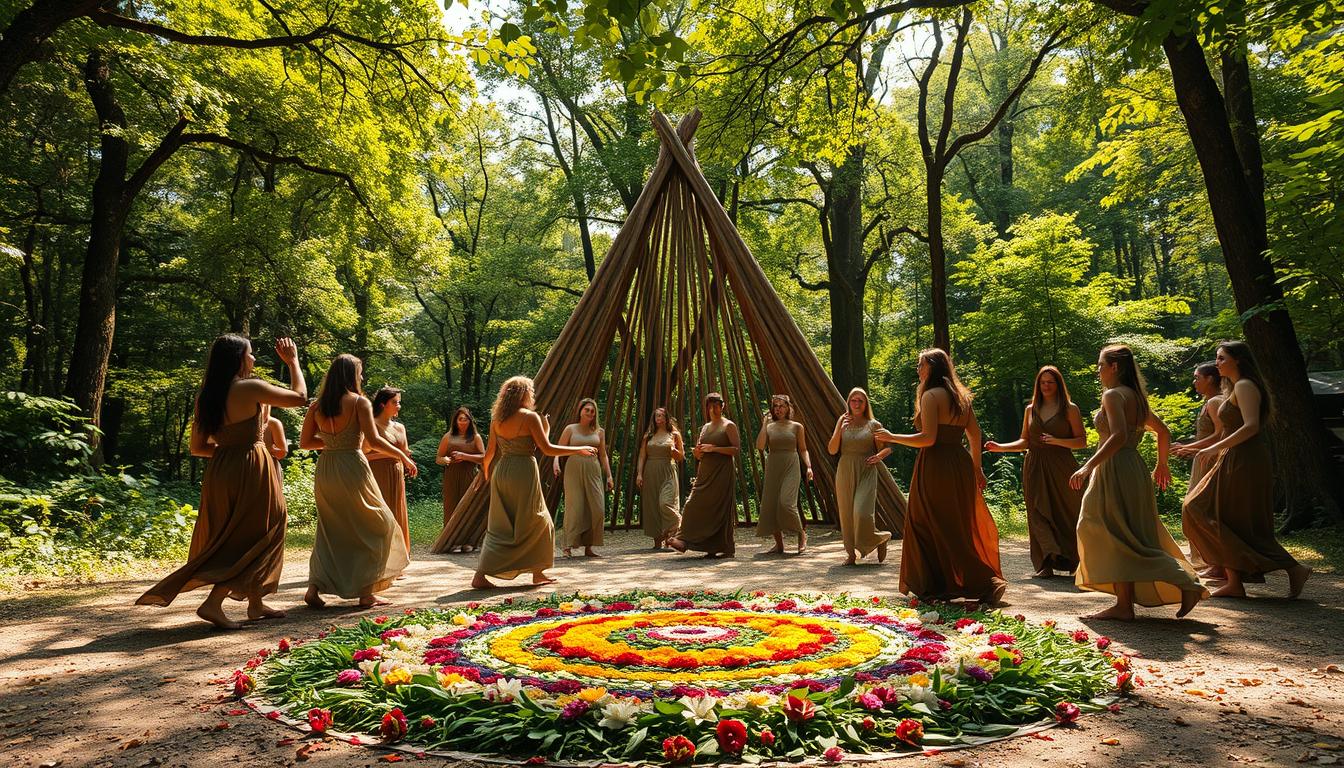
Music and Dance: Bringing People Together
Music and dance are key parts of seasonal festivals. They connect people from all walks of life. Whether it’s summer solstice tunes or winter melodies, they bring everyone together.
| Season | Typical Music/Dance | Festive Activity |
|---|---|---|
| Spring | Folk dances | Maypole dancing |
| Summer | Upbeat festival music | Outdoor concerts |
| Autumn | Harvest-themed songs | Harvest dances |
| Winter | Traditional winter carols | Christmas caroling |
Joining in these activities strengthens community bonds. It also connects us to nature’s cycles celebrated in festivals.
Adding eco-friendly touches to these activities makes festivals even better. Using green materials and reducing waste helps celebrate in a greener way.
The Environmental Impact of Seasonal Festivals
When we celebrate the seasons, we must think about how our fun affects the planet. Festivals bring joy and community together, but they can harm the environment. This harm comes from waste and using too many resources.

Eco-Friendly Practices in Celebrations
Many festival planners are now using eco-friendly practices. They cut down on waste by choosing items that can be composted or recycled. They also try to use less water and encourage people to travel green.
Some festivals get creative by using local materials for decorations and food. This helps local businesses and cuts down on carbon emissions. For instance, using fresh, local produce is better for the planet because it doesn’t need to travel far.
- Using compostable or recyclable materials for festival goods.
- Minimizing water usage through efficient systems.
- Promoting sustainable transportation options.
- Supporting local economies by sourcing materials locally.
How Festivals Can Promote Sustainability
Seasonal festivals are great for teaching people about sustainability. By adding environmental lessons to the fun, they can teach us about big issues like climate change and conservation.
They can also inspire people to live greener lives. This is done through workshops, demos, and interactive displays that show how to live sustainably.
By choosing eco-friendly ways and teaching about sustainability, festivals can help the planet. They can also help change our culture to value and protect nature more.
Future of Seasonal Festivals: Trends and Innovations
Looking ahead, the way we celebrate seasonal traditions is changing. Technology and societal values are driving these changes. Our celebrations are now a mix of old and new.
Seasonal festivals are evolving. They’re not just about keeping traditions alive. They’re also innovating to attract modern audiences. This means using digital platforms and updating ancient practices for today’s culture.
Digital Festivals: Celebrations in the Virtual Space
Digital technology has changed how we celebrate. Virtual events and online communities are key in connecting us. Digital festivals let people join in who can’t be there in person.

Also, digital platforms offer a wide range of activities. This makes festivals more inclusive and fun. From virtual parades to online workshops, the options are endless.
Reviving Ancient Traditions for Modern Audiences
There’s also a push to bring back ancient traditions. This means updating old practices for today’s world. It keeps them alive and relevant.
By mixing old knowledge with new ideas, we get exciting experiences. For example, adding eco-friendly practices to festivals honors the past and helps the planet.
Looking to the future, seasonal festivals will mix tradition and innovation. This mix will keep our celebrations vibrant and engaging for years to come.
Conclusion: The Joy of Embracing Seasonal Celebrations
Seasonal celebrations bring joy and connect us to nature and community. They help us feel a sense of belonging and value for the natural world.
Participating in Local Festivals
Local festivals are a great way to connect with others and celebrate the seasons. They often focus on being eco-friendly, which helps the planet.
Going to these festivals lets us enjoy cultural traditions and nature’s beauty. It’s a time to think about how important it is to care for our planet.
Appreciating Nature’s Cycles
Seasonal celebrations remind us of nature’s cycles and our role in them. This reflection can make us appreciate the world more and encourage us to live sustainably.