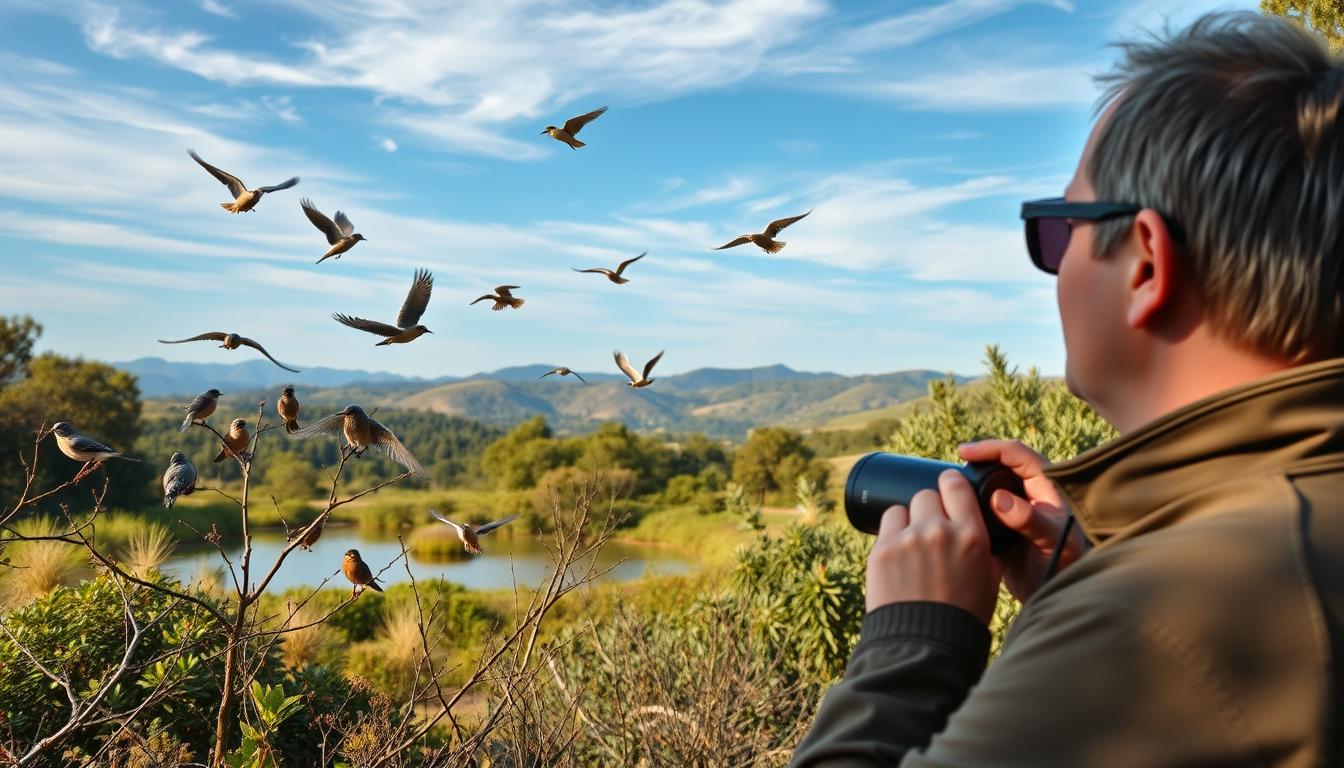
Bird Watching: Spot native and migratory birds in San Marino’s green spaces
Are you ready to explore San Marino’s green spaces? This tiny European country is a haven for nature fans and bird enthusiasts. Its varied landscapes create a perfect home for many bird species.
San Marino is great for both new and experienced bird watchers. You can see migratory birds and native species in their natural setting. It’s a place that offers a memorable adventure.
Key Takeaways
- Discover the best times for Bird Watching in San Marino
- Explore the top locations for spotting native and migratory birds
- Learn valuable tips for enhancing your Bird Watching experience
- Understand the importance of San Marino’s green spaces for bird habitats
- Find out how to make the most of your visit to San Marino for Bird Watching
Introduction to Bird Watching in San Marino
San Marino is a haven for bird lovers, thanks to its green spaces. The country’s varied landscapes draw many bird species. This makes it a joy for both new and seasoned bird watchers.
The Joy of Bird Watching
Bird watching is more than just seeing birds. It’s about connecting with nature. The excitement of finding a new bird, the calm of being outdoors, and sharing moments with others are all part of it. The sense of community among bird watchers is strong, with many sharing tips and photos.
Importance of Green Spaces
Green spaces are vital for biodiversity, and San Marino’s parks are key. They offer habitats for native birds and help migratory birds. Preserving these areas keeps bird populations and ecosystems healthy.
Overview of San Marino’s Bird Life
San Marino boasts a wide variety of bird species. From large birds of prey to small songbirds, the country’s bird life is captivating. Knowing about the different species, their homes, and migration patterns helps us appreciate San Marino’s bird diversity.
Best Times for Bird Watching in San Marino
San Marino is a great place for bird watching in the spring and fall. These times are perfect because many birds migrate. The country’s green areas become lively, full of different bird species.
Spring Migration: A Birdwatcher’s Delight
In the spring, San Marino is filled with birds returning home. It’s a birdwatcher’s delight with lots of species to see.
Many birds, like the Common Redstart and European Bee-eater, come back in the spring. Birdwatchers can see these birds in San Marino’s parks and reserves.
Fall Migration: Spectacular Sightings
When summer ends, San Marino gets ready for the fall migration. The fall migration is full of spectacular sightings of birds heading to their winter homes.
You can see many birds, including raptors, songbirds, and waterfowl. The fall migration is a great time to see birds in their natural habitats.
Seasonal Changes in Bird Activity
Knowing when birds are most active is key for a great bird-watching trip in San Marino. The table below shows the best times and species to look for:
| Season | Key Bird Species | Best Locations |
|---|---|---|
| Spring | Common Redstart, European Bee-eater | Guaitarola Park, Three Trees Park |
| Fall | Raptors, Songbirds, Waterfowl | The Natural Reserve, Guaitarola Park |
By planning your visit based on these seasons, you’ll have a better bird-watching experience in San Marino.

Top Green Spaces for Bird Watching
Bird lovers will adore San Marino’s green areas. Many spots are perfect for seeing native and migratory birds. The country’s varied landscapes host a wide range of bird species, making it great for bird watching.

Guaitarola Park: A Birdwatcher’s Haven
Guaitarola Park is a top spot for bird watchers. Its varied plants draw many bird species. This offers a chance to see birds in their natural setting.
The park’s lush vegetation and serene atmosphere are perfect for bird spotting.
Three Trees Park: Diverse Habitats
Three Trees Park has different habitats, like woodlands and grasslands. It’s a great place for bird watching. The park’s varied environments support many bird species.
Visitors can see a variety of birds, from songbirds to birds of prey.
The Natural Reserve: Sanctuaries for Birds
The Natural Reserve is a safe haven for birds. It protects both native and migratory species. The reserve’s conservation efforts help bird populations thrive.
It’s a peaceful spot for bird watchers to see many species.
San Marino’s green spaces are a treasure for bird watchers. They offer a mix of natural beauty and biodiversity. Whether you’re experienced or new to bird watching, these places are perfect for exploring.
Identifying Native Birds in San Marino
San Marino is a haven for birdwatchers. Its landscapes are full of life, making it perfect for spotting native birds. The country’s green spaces are a treasure trove for those who love birds.
Common Species You Can Spot
San Marino is home to many native bird species. You might see the European Robin with its bright red breast. The Common Blackbird with its sleek black feathers is also common. And don’t forget the Italian Sparrow, seen in both cities and countryside.

Unique Characteristics of Native Birds
Knowing what makes each bird unique helps in identifying them. The European Robin is known for its song and territorial behavior. The Common Blackbird is recognized by its call and how it forages. The Italian Sparrow is often seen darting between buildings and gardens.
Resources for Identification
There are many ways to identify birds you see. Field guides have detailed descriptions and pictures. Online databases offer lots of information, including bird calls. Joining local birding groups is also helpful, as they often go on guided tours and share tips.
Migratory Birds to Watch For
The tiny republic of San Marino is a key stop for many bird species. It’s perfect for bird watching, with a focus on migratory birds. The country’s green spaces are a safe haven for these birds as they travel.

Popular Migratory Routes
San Marino is close to the Adriatic Flyway, a major bird route. This flyway is a key part of the East African-Eurasian flyway system. Millions of birds use it each year.
The importance of this route is huge. It links breeding grounds in Europe and Asia with wintering grounds in Africa. Birdwatchers can see many species as they stop in San Marino to refuel.
Species to Look Out For in Different Seasons
In spring, look for the European Bee-eater and the Montagu’s Harrier as they head north. In fall, the migration is even more impressive, with the Common Crane among the species seen.
Knowing when to go can make bird watching better. It helps you know which species to expect and prepare for.
| Season | Species to Look Out For |
|---|---|
| Spring | European Bee-eater, Montagu’s Harrier |
| Fall | Common Crane, Honey Buzzard |
Fascinating Facts About Migratory Birds
Migratory birds are amazing, with some traveling thousands of miles each year. The Arctic Tern is an example, migrating from the Arctic to the Antarctic and back again annually, a journey of over 44,000 miles.
These birds have incredible navigation skills. They use the stars, magnetic fields, and visual cues to guide their migrations. Learning about these facts can make bird watching even more special.
Birdwatching Etiquette and Best Practices
Exploring San Marino’s bird life is exciting. But, following birdwatching etiquette and best practices makes it even better. It also helps protect the birds and their homes.
Respecting Wildlife
Respecting wildlife is key in birdwatching. This means not feeding birds or getting too close to their nests. Keeping a safe distance helps keep the birds safe and happy.
Key principles include:
- Not littering or leaving behind any waste
- Avoiding loud noises that could startle the birds
- Staying on designated paths to prevent habitat destruction
Keeping a Safe Distance
It’s important to keep a safe distance from the birds. This protects them and lets you see their natural behaviors better. You can use binoculars or a spotting scope for a closer look without disturbing them.
Using binoculars or a spotting scope can help you get a closer look without intruding on the birds’ space.
What to Bring for Bird Watching
Being prepared is crucial for a great birdwatching experience. You’ll need binoculars, a field guide, and the right clothes for the weather and terrain. A notebook and pencil are also handy for recording your findings.

Remember, a notebook and pencil are great for jotting down your observations. They help you remember interesting behaviors or sightings.
Guided Bird Watching Tours in San Marino
Guided tours are a great way to enjoy bird watching in San Marino. These tours are led by experts who know the best places to see birds. They also know which birds you might see.
Local Guides and Tour Companies
San Marino has many good tour companies and guides for bird watching. These guides share their deep knowledge of birds and their homes. They also work with local conservation groups, giving you a special view of the area’s birds.
Benefits of Local Guides:
- In-depth knowledge of bird habitats and behaviors
- Access to secluded birding locations
- Opportunities to spot rare and migratory species
Benefits of Joining a Guided Tour
Going on a guided bird watching tour in San Marino has many advantages. You’ll learn from experts and see rare birds. You’ll also meet other bird lovers and share tips.
| Tour Type | Description | Duration |
|---|---|---|
| Half-Day Tour | Explore local parks and reserves with a guide | 4 hours |
| Full-Day Tour | Comprehensive tour of San Marino’s best birding locations | 8 hours |
| Specialized Tour | Focus on specific species or habitats | Variable |

Joining a guided tour makes your bird watching trip better. It also helps local conservation efforts. Many guides and companies support efforts to protect San Marino’s nature.
Photography Tips for Bird Watching
Combining bird watching with photography is a great way to enjoy nature. It’s exciting to capture the perfect shot as much as spotting birds.
Best Equipment for Beginners
For beginners, starting with bird watching photography needs basic gear. A good pair of binoculars helps spot birds from far away. For photos, a camera with a telephoto lens is key. Start with a lens that zooms at least 200mm.
A tripod improves photo quality by reducing camera shake. Also, a camera with good autofocus and burst mode captures moving birds well.
Composition Techniques for Stunning Shots
Understanding composition is vital for stunning bird photos. The rule of thirds divides the image into thirds. Place the bird on these lines or at their intersections.
Playing with lighting can make your photos better. Early morning and late afternoon light is best. It adds soft, warm tones that bring out the birds’ natural colors.

Ethical Photography Practices
When taking photos, follow ethical photography practices. Don’t disturb the birds or their homes. Keep a safe distance and avoid sudden moves to not stress the birds.
Also, be aware of your surroundings and respect others. This way, everyone can enjoy bird watching without harming the birds.
Conclusion: Embrace Bird Watching in San Marino
San Marino is a great place for bird watching. It has many green spaces and lots of bird species. The beautiful landscapes are perfect for both new and experienced bird watchers.
Patience and Curiosity for Beginners
San Marino is perfect for beginners. Its green spaces are easy to get to. With patience and curiosity, new bird watchers can learn about local birds and love nature more.
Connecting with the Bird Watching Community
Experienced bird watchers can join local birding groups. This helps them learn more and meet others who love birds. Joining tours or events is a great way to do this.
Conservation Efforts
San Marino is working hard to protect its birds and nature. Bird watching helps support these efforts. By watching birds, people can enjoy nature and help protect it.