Ribollita: Savor the Taste of This Comforting Soup
Are you looking for a hearty, comforting meal that warms the soul? Have you ever wondered what makes Ribollita a beloved dish in Tuscany?
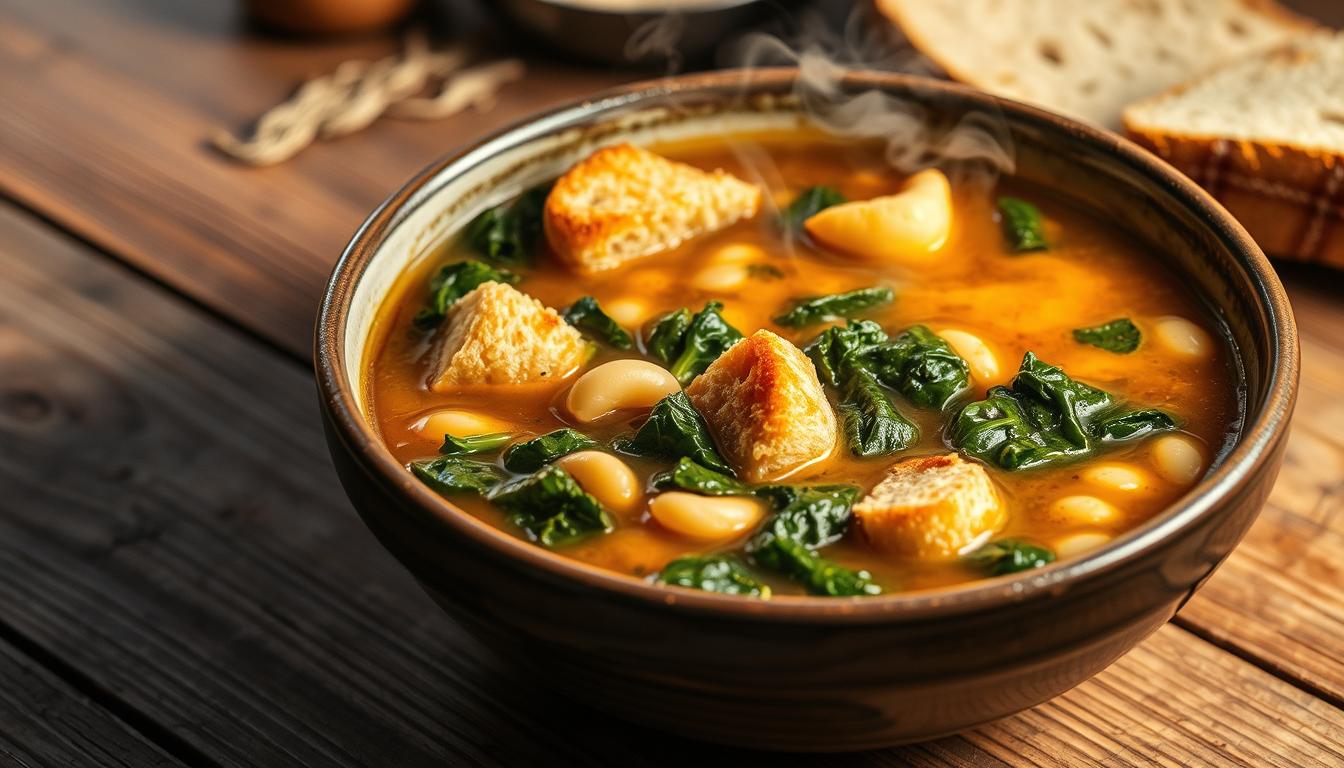
Ribollita, which means “reboiled,” is a traditional Tuscan thick vegetable soup. It’s made with vegetables, bread, and cannellini beans. This mix creates a satisfying meal.
This comforting soup has gained popularity worldwide for its rich flavor and warmth. In this article, we’ll explore the origins, ingredients, and preparation methods of this classic Italian dish.
Key Takeaways
- Discover the origins and history of Ribollita.
- Learn about the key ingredients and their nutritional benefits.
- Explore various preparation methods and variations.
- Understand the cultural significance of Ribollita in Tuscany.
- Get tips on how to make Ribollita at home.
What is Ribollita Soup?
Ribollita is a comforting soup at the heart of Tuscan cuisine. It’s a classic dish known for its rich flavors and hearty ingredients. It’s a true example of Italian comfort food.
The Origins of Ribollita
Ribollita, meaning “reboiled,” comes from peasant cooking. It was made by reheating it several times. This made it a convenient meal that lasted for days.
Originally, it was made with leftover bread, vegetables, and beans. It shows the resourcefulness of Tuscan cooks.
Traditional Ingredients Used
Ribollita’s beauty is in its simplicity and fresh ingredients. It includes onions, carrots, celery, cannellini beans, and bread. These are simmered to make a thick, flavorful broth.
Key ingredients are:
- Vegetables (onions, carrots, celery)
- Cannellini beans
- Bread (preferably day-old bread)
- Olive oil
- Tomatoes or tomato paste
Differences from Other Soups
Ribollita stands out with its thick texture and bread as a main ingredient. Unlike clear broths or creamy soups, it’s thickened by bread. This makes it a hearty and comforting meal.
A Brief History of Ribollita
The story of Ribollita goes back to medieval times in traditional Tuscan cooking. This hearty soup was once a peasant dish. It was made from leftover bread and vegetables, showing Tuscan cuisine’s resourcefulness.
Tuscan Roots
Ribollita’s roots are in Tuscany’s rural landscapes. Farmers and peasants needed filling meals to last all day. The soup was a smart choice, using vegetables, bread, and cannellini beans.

Evolution Over Centuries
Over time, Ribollita changed with new ingredients and cooking methods. Vegetables, herbs, and sometimes meat made it richer and more flavorful.
This change shows Tuscan cuisine’s flexibility. Recipes were tweaked based on what was in season and family traditions.
Importance in Italian Culture
Ribollita is more than food; it’s a piece of Italian culinary heritage and family traditions. It brings warmth and comfort, uniting families at dinner.
In Italy, Ribollita is a staple at family events and celebrations. It’s a big part of the country’s cultural scene.
Ingredients You’ll Need
A classic Italian dish like Ribollita needs fresh, quality ingredients. To make this hearty soup, you’ll need vegetables, beans, and bread. These ingredients come together to make a rich, satisfying meal.
Fresh Vegetables: The Backbone of the Dish
The base of Ribollita is fresh vegetables like onions, carrots, and celery. These add flavor and make the soup nutritious. Fresh veggies make your Ribollita vibrant and full of taste.
- Onions: Add a sweet and savory flavor
- Carrots: Provide a pop of color and sweetness
- Celery: Adds depth and freshness
Seasonal Variations
Making Ribollita lets you change ingredients with seasonal variations. Using different veggies and herbs in season makes the dish exciting. It also means you’re using the freshest ingredients.

Optional Add-Ins
The traditional Ribollita is tasty, but you can add more with optional add-ins. Try adding kale or tomatoes for extra flavor and nutrition. These add-ins boost the soup’s taste and health benefits.
- Kale: Adds a nutrient-rich boost
- Tomatoes: Provide a burst of juicy flavor
How to Prepare Ribollita
Making Ribollita is a journey to a rich, thick vegetable soup. It’s a traditional Tuscan dish. It combines vegetables, cannellini beans, and bread in a tasty broth.
Step-by-Step Cooking Instructions
To begin, heat olive oil in a large pot over medium heat. Add chopped onions, carrots, and celery. Sauté until they’re tender. Then, add garlic and cook for a minute.
Next, add the cannellini beans, diced tomatoes, and vegetable broth to the pot. Bring it to a boil, then lower the heat and simmer.
After simmering for about 20 minutes, add chunks of bread to the pot. The bread will thicken the soup, making it hearty and comforting.
- Chop the vegetables and sauté them in olive oil.
- Add cannellini beans, diced tomatoes, and vegetable broth.
- Bring to a boil, then simmer.
- Add bread chunks to thicken the soup.
Tips for Perfect Texture
Getting the right texture in Ribollita is key. Adjust the amount of broth to your liking. Some like it thick, others a bit brothy.
Cooking time is also important. The longer you simmer, the thicker it gets as the bread breaks down.

Serving Suggestions
Serve Ribollita hot, topped with extra virgin olive oil and parmesan cheese. Add some crusty bread on the side for dipping.
For extra flavor, try it with sautéed greens or a simple green salad.
The Nutritional Benefits of Ribollita
Ribollita is a nutritional powerhouse, offering a wealth of health benefits in every spoonful. It’s a traditional Tuscan cuisine that combines various ingredients. These ingredients satisfy your taste buds and provide many health benefits.

Packed with Vegetables
The backbone of Ribollita is its diverse mix of vegetables. These include cabbage, carrots, and celery, which are rich in vitamins and minerals. These vegetables make the soup a healthy meal choice.
High Fiber and Healthy Fats
The soup includes cannellini beans and whole-grain bread, adding a lot of fiber. This fiber aids in digestion and keeps you feeling full. The olive oil used in Ribollita adds healthy fats, which are good for your heart and overall health.
Vegetarian and Gluten-Free Options
Ribollita is adaptable to various dietary needs. It’s naturally vegetarian, making it perfect for plant-based diets. By using gluten-free bread, it’s also accessible to those with gluten intolerance or sensitivity. This makes Ribollita an inclusive Italian comfort food option.
In summary, Ribollita is not just a tasty and comforting soup. It’s also nutritious, offering many health benefits. It’s a great addition to a balanced diet.
Pairing Ribollita with Other Dishes
To make your meal better, pair Ribollita with side dishes and drinks that match its rich taste. This hearty soup can be the main attraction of a great meal if paired right.
Ideal Side Dishes
Choosing the right side dishes for Ribollita is key. Grilled meats or roasted veggies are excellent choices. They enhance the soup’s flavors and add variety to your meal.
- Grilled chicken or sausages for a protein-packed meal
- Roasted vegetables like Brussels sprouts or carrots for a nutritious side
- Garlic bread for a comforting and filling option

Beverage Pairings
The perfect drink can make your meal even better. For Ribollita, Chianti or Vernaccia wine is a great choice. Their flavors match the traditional recipe of the soup well.
| Beverage | Description |
|---|---|
| Chianti | A robust Italian red wine that pairs well with the bold flavors of Ribollita. |
| Vernaccia | A crisp Italian white wine that complements the herbal notes in Ribollita. |
Tips for Leftovers
Ribollita tastes even better the next day. The flavors blend together beautifully. To enjoy leftovers, reheat the soup gently to keep the veggies tender.
- Reheat on the stovetop over low heat, stirring occasionally.
- Add a splash of broth or water if the soup has thickened too much.
- Consider freezing portions for a quick meal later.
Common Mistakes to Avoid
Ribollita, a hearty beans and bread soup, needs careful attention to taste its best. When making this traditional Italian dish, some common mistakes can ruin its quality.
Overcooking the Vegetables
One big mistake is overcooking the veggies, making them mushy and unappealing. To avoid this, keep a close eye on cooking time and temperature. Vegetables should be tender but still crisp.
Here’s a simple guideline to prevent overcooking:
- Check the vegetables frequently during the cooking process.
- Use a variety of vegetables with different cooking times.
- Avoid using high heat, which can quickly lead to overcooking.
Skipping Key Ingredients
Another big mistake is leaving out key ingredients that make Ribollita special. Cannellini beans and bread are essential and should not be skipped.
| Key Ingredient | Role in Ribollita |
|---|---|
| Cannellini Beans | Provide protein, fiber, and a creamy texture. |
| Bread | Adds thickness and a rustic texture to the soup. |
| Vegetables | Contribute flavor, nutrients, and texture variety. |
Improper Storage
Lastly, storing Ribollita wrong can spoil its freshness and safety. It can be refrigerated or frozen for later, but it must be stored right to keep its quality.
To store Ribollita properly:
- Cool the soup to room temperature before refrigerating or freezing.
- Use airtight containers to prevent contamination and spoilage.
- Label containers with the date and contents for easy identification.

Ribollita Variations to Try
Traditional Ribollita is a beloved part of Italian cuisine. But, trying its variations can take this classic Italian dish to new levels. Its flexibility lets you enjoy it in many ways.
Vegetarian and Vegan Alternatives
Vegetarians and vegans can make Ribollita their own. Swap pancetta for mushrooms or use vegetable broth instead of chicken. These changes make it more welcoming.
Here are some other ways to make it vegetarian or vegan:
- Use vegan bread instead of traditional bread
- Leave out the Parmesan cheese or use a vegan substitute
- Add more veggies like zucchini, bell peppers, or eggplant
Regional Twists
Ribollita comes from Tuscany, but you can add your own twist. Try adding herbs or spices from other Italian regions.
| Region | Twist | Key Ingredient |
|---|---|---|
| Tuscany | Traditional | Kale, Canellini beans |
| Sicily | Spicy | Hot peppers |
| Liguria | Pesto-infused | Pesto sauce |
Creative Additions
Want to make Ribollita your own? Add roasted veggies, spicy peppers, or a bit of vinegar. Just remember to keep the traditional flavors in balance.

Trying different Ribollita variations keeps the dish fresh and fun. It’s perfect for anyone, whether you’re a vegetarian or just love to experiment. Ribollita’s flexibility lets you express your culinary creativity.
How to Store and Reheat Ribollita
Keeping Ribollita fresh is crucial. This Tuscan soup is loved by many. Knowing how to store and reheat it right makes a big difference.
Storage Tips for Maximum Freshness
Cool Ribollita to room temperature before refrigerating. This stops bacteria from growing. Use an airtight container to keep it fresh.
- Cool the soup to room temperature.
- Use an airtight container.
- Refrigerate within two hours of cooking.
Best Reheating Methods
Reheating Ribollita needs care to keep its taste and texture. Heat it low and stir often. This prevents burning or sticking.
Tips for Reheating:
- Reheat over low heat.
- Stir occasionally.
- Add a little water if it’s too thick.
Freezing Ribollita
Ribollita can be frozen for up to three months. Cool it down, then put it in airtight containers or bags. Thaw it in the fridge overnight and reheat as usual.

Follow these tips to enjoy Ribollita for days. It’s a delicious way to enjoy Tuscan flavors whenever you want.
Exploring Ribollita in Restaurants
Want to try Ribollita without cooking it? Many restaurants in the US offer this Italian comfort food. Whether you’re craving a traditional Tuscan dish or a modern take on hearty soup, you’ll find a place near you.
Where to Find Authentic Ribollita
For real Ribollita, check out traditional Tuscan places and Italian restaurants. They focus on regional dishes, using family recipes for that authentic Tuscan flavor.

Popular Restaurants in the US
Several top US restaurants serve excellent Ribollita. You’ll find it in Italian trattorias and modern spots that add Ribollita to their menus. Here are a few:
| Restaurant Name | Location | Type |
|---|---|---|
| Trattoria Toscana | New York, NY | Traditional Italian |
| Modern Bistro | Los Angeles, CA | Modern Italian |
| Tuscan Kitchen | Chicago, IL | Tuscan Specialty |
What to Look for in a Good Ribollita
When you order Ribollita, look for a few things. The broth should be rich and full of flavor, showing it’s been simmered for a long time. The soup should have lots of veggies for texture and taste. And the bread should mix well with the soup, making it a satisfying meal.
Conclusion: Enjoying Ribollita at Home
Ribollita is a cozy and fulfilling soup to enjoy at home. It’s a classic Italian dish, loved for its hearty mix of beans and bread. It’s a true comfort food.
Making it a Family Tradition
By making this recipe, you can start a family tradition. It connects you to Italian culture. It’s a perfect dish to share with family on a chilly day.
Adding Your Personal Touch
Don’t be afraid to put your own spin on Ribollita. Try new ingredients and cooking methods. It’s a dish that welcomes creativity, whether you stick to tradition or try something new.
As you enjoy this soup, you’ll see why it’s so cherished. The joy of making it is just as important as the taste. It brings happiness to your table.